Dubai Marina: A Practical Guide for Expats and Digital Nomads 2026
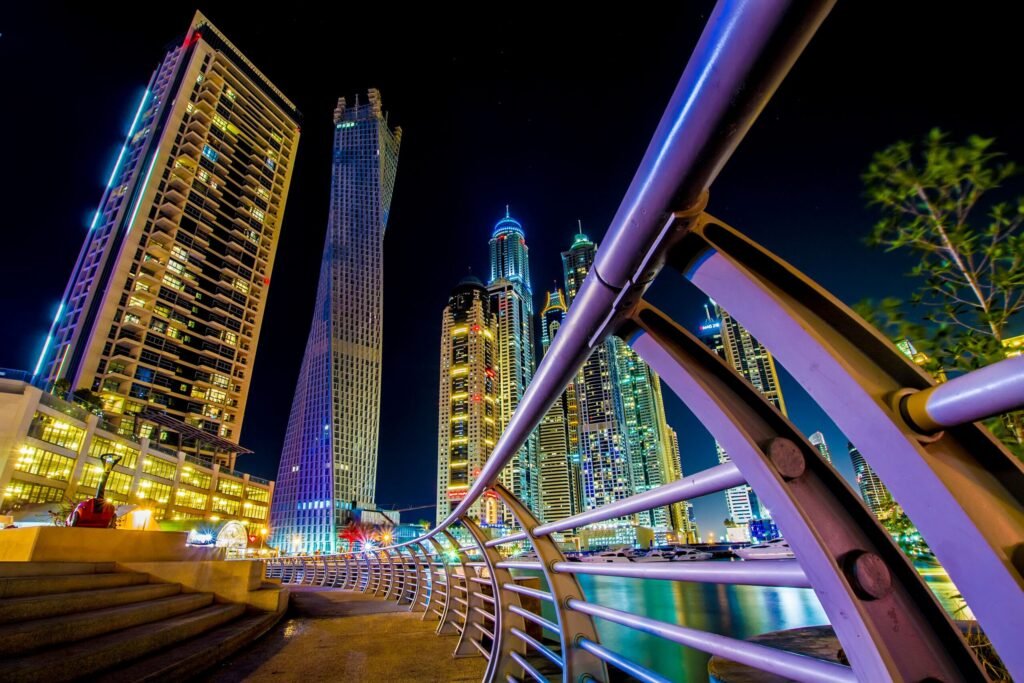
Table of Contents
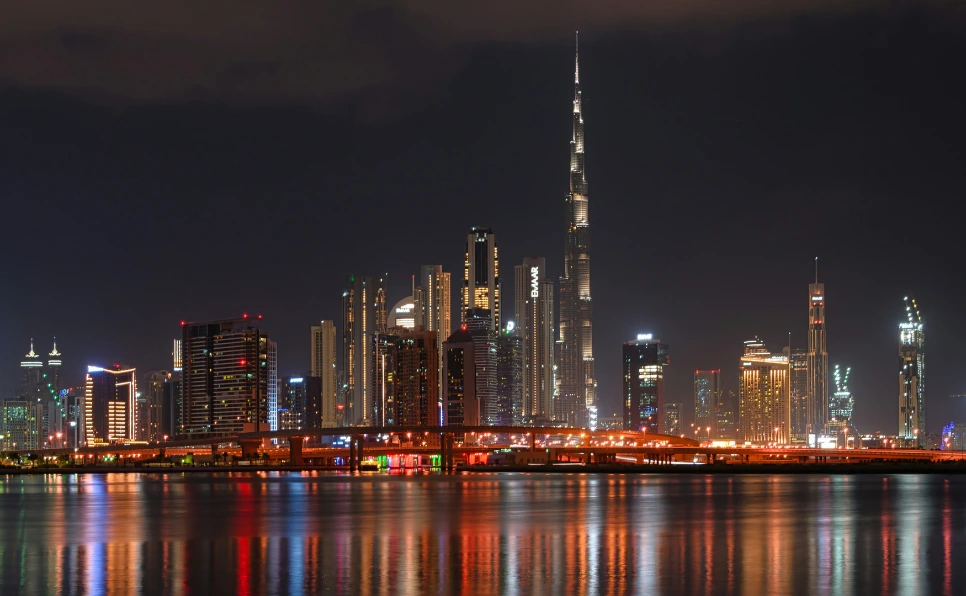
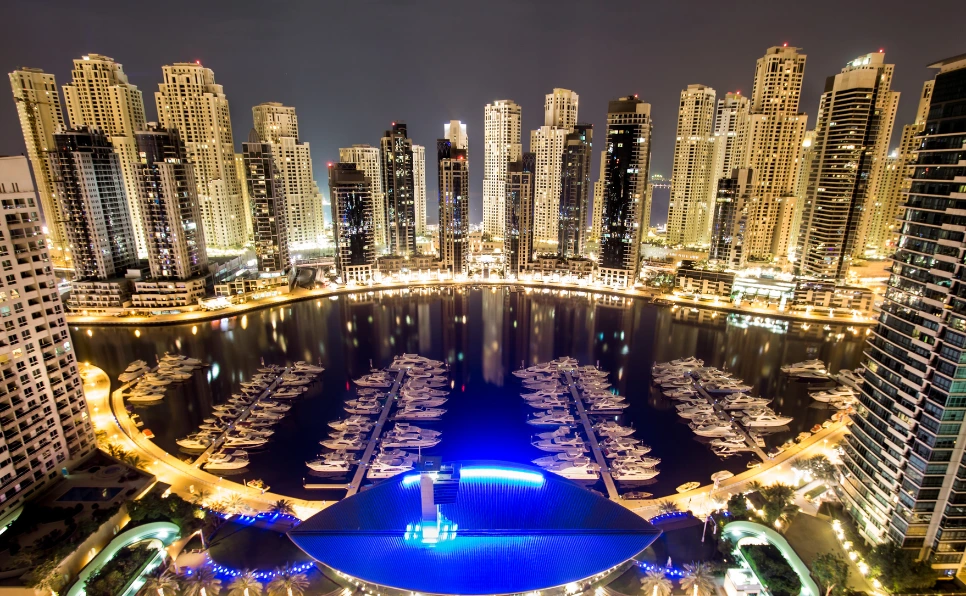
Dubai Marina seems like a computer rendering come to life. Over 200 residential skyscrapers surround a 3.5-kilometre artificial canal. It is the image most people see on social media feeds and travel brochures before moving to the emirate.
But moving here or settling in as a remote worker means seeing more than the pretty skyline. Living in Dubai Marina boils down to daily logistics. It’s about how you get around, which tower you pick, and how you manage life in a high-density condo.
The “Car-Free” Experience: Fiction vs. Reality
Dubai is traditionally a vehicle-centric city built around multi-lane highways. Dubai Marina is one of the rare places where you can live without a car.
The Footpath & Transit Network
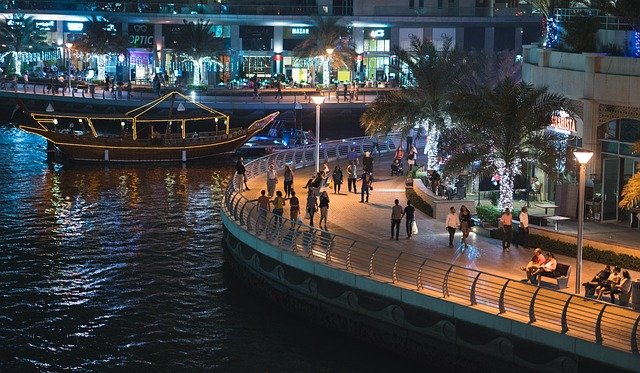
The network is a 7-kilometre paved walkway called Dubai Marina Walk. It circles the canal continuously. You can easily walk to grocery stores, gyms, pharmacies, and casual dining spots from nearly every tower.
The community is well served by public transit.
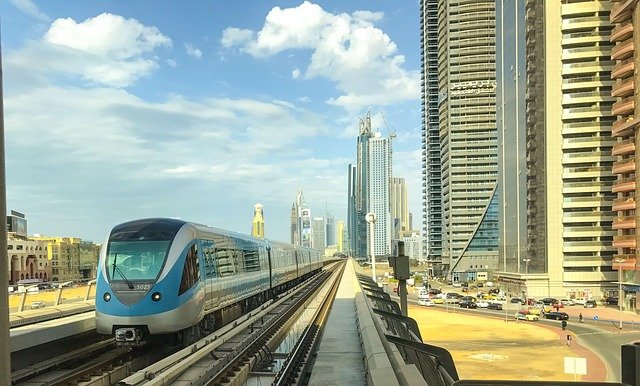
Dubai Metro: Two Red Line stations, Sobha Realty and DMCC, anchor the north and south ends of the community. A metro trip gets you to key spots like DIFC, Downtown Dubai, and Dubai International Airport (DXB).
Dubai Tram: An eleven-station loop winds through the Marina. It connects residential areas to JBR Beach, the Palm Monorail, and the metro stations.
Renting a Careem Bike in Dubai Marina is a great way to see the sights. It has a special pricing model instead of a flat hourly fee. To avoid high costs, riders should know the 45-minute rule. All Careem Bike passes allow unlimited rides. However, you must return the bike to any docking station within 45 minutes to avoid extra fees.
Careem Bike Pricing Breakdown
- The Single Trip Pass (AED 19): Covers a single ride up to 45 minutes.
- The Daily Pass (AED 29): Offers 24 hours of unlimited 45-minute rides. (Drops to AED 20 for Careem Plus members).
- The “Hacker” Hourly Rate (AED 19–29): To save money on a full hour, dock your bike at 35 minutes. Wait a few seconds, then unlock it again to reset your timer.
- The Continuous Hourly Rate (AED 29–39): Using the same bike for 60 minutes? You’ll pay an AED 10 overtime fee on top of your base pass.
- Pay-As-You-Go: Costs AED 1 to unlock, plus a variable per-minute rate that can bring the cost of a single hour to AED 61.
- What about E-Scooters?
Careem does not offer e-scooters in Dubai Marina. For e-scooters, riders should use alternative apps like Lime or Tier. These charge roughly AED 3–5 to unlock, plus AED 1 per minute, totalling about AED 65 per hour.
Quick Marina Riding Rules
• Riders must be at least sixteen years old.
• Bikes have to stay in the designated purple lanes at the Marina Promenade.
• Dismount and push your bike. You cannot ride on the walkway in front of Dubai Marina Mall.
The Catch: Peak-Hour Traffic
Walking and taking transit are easy. But driving during peak hours is not for the faint-hearted. The community has limited access and few on-ramps to Sheikh Zayed Road (E11). JBR feeder roads become congested between 5:00 PM and 8:00 PM on weekdays and on weekend evenings. A 2-kilometre drive from your building’s garage to the toll road exit can easily take 25 to 35 minutes.
Mapping the Neighbourhood’s Micro-Pockets
Dubai Marina is not uniform. The noise levels, access to transit, and daily routines vary a lot based on where you live along the canal.
| Micro-Zone | Key Characteristics | Best Suited For | Transit Access |
| North End (Phase 1 / Marina Promenade) | Original Emaar developments; wider spacing; direct, cleaner road access to E11. | Corporate expats, long-term families seeking quieter surroundings. | 10–12 min walk to Sobha Realty Metro; direct Tram access. |
| Central Marina (Dubai Marina Mall Hub) | High foot traffic; direct access to retail, Waitrose, and hotel lounges. | Digital nomads and active socializers who want everything on foot. | Excellent; mid-point for Tram and water taxis. |
| South End (DMCC / JLT Border) | High tower density; immediate access to metro pedestrian bridges and JLT dining. | Commuters using public transit daily; remote workers taking quick metro trips. | Direct access to DMCC Metro Station via covered walkways. |
Technical Considerations for Renters & Remote Workers
When you look at homes, marketing photos often miss important details. These details can impact daily comfort.
1. District Cooling vs. “Chiller-Free”
Air conditioning makes up a big part of utility costs in Dubai’s summer (May to September).
Chiller-Free Towers: The landlord covers central cooling. This cost is part of the building’s service charges. You only pay for DEWA utilities (electricity and water).
District Cooling (Empower / Palm Utilities) meters the cooling separately. You pay consumption charges plus a recurring quarterly capacity charge regardless of usage. This can add AED 800–1,500 per month to summer utility costs.
2. Elevator Wait Times
Many towers reach 60 to 80 stories. In a tall tower, if only three or four elevators work, you could wait five minutes for a ride at 8:00 AM or 6:00 PM. When viewing a high-floor apartment, test elevator wait times during peak hours.
3. Short-Term vs. Long-Term Contracts
Digital Nomads: When you get to Dubai, you usually begin by booking furnished holiday homes for a month. They have a high price tag and include a Tourism Dirham fee. However, they cover utility bills and Wi-Fi. You don’t need a local bank account or a resident visa.
Relocating Expats: Once you have your Emirates ID and resident visa, register your annual rent with Ejari. This documents your tenancy but does not lower your monthly condo costs. Most tenants pay annual rent in one to four post-dated checks.
Remote Work & Daily Lifestyle Infrastructure
For remote professionals, workspace flexibility within walking distance is vital.
Working from Cafés and Podium-Level Spaces
Cafés along the main promenade fill up with tourists by early afternoon. But quiet, work-friendly spots can be found throughout the community.
Podium-Level Cafés: Tucked away on the raised podiums of Marina Gate and Park Island are cozy coffee shops. They offer fast Wi-Fi, plenty of power outlets, and less noise from foot traffic.
Hotel Lobby Lounges: Hotels like Rove Dubai Marina and Vida Marina offer cozy workspaces. They provide reliable air conditioning and a cool vibe for meetings or long laptop sessions.
Fitness and Outdoor Routine
The 7-kilometre loop is a favourite for morning runners and cyclists. It’s great for outdoor workouts before the afternoon heat arrives. Commercial gyms, like 24-hour franchises, are everywhere. You can find one within nearly every 500 meters. They add to the gyms in residential towers.
Practical Trade-offs: Is Dubai Marina Right for You?
Advantages
High Convenience: Supermarkets such as Waitrose, Spinneys, and West Zone are only a few blocks away. Plus, delivery apps can bring your order in under 20 minutes and are available 24/7.
Pedestrian Freedom: Enjoy a unique opportunity to walk to the beach, shops, transit, and restaurants—no car needed.
Strong Community Continuity: High density fosters a welcoming international atmosphere. This makes it easier for new expats to build a social circle.
Drawbacks
Acoustic Noise: Apartments on lower floors near the main canal or roads might experience noise from boat engines, motorbikes, and late-night events.
Parking Constraints: Apartments typically include only one allocated basement parking space. Guest parking close to the waterfront is scarce and high-priced.
Lack of Parks: The area is urban and paved. For big grassy lawns or quiet park benches, visit suburban areas like Dubai Hills or Greens.
Final Assessment
Dubai Marina is a great starting point for new expats and remote workers in the emirate. Focusing on walkability, waterfront views, transit access, and amenities brings great benefits. You’ll enjoy more than quiet suburban yards. Choose your building wisely. Consider the location and practical needs.